
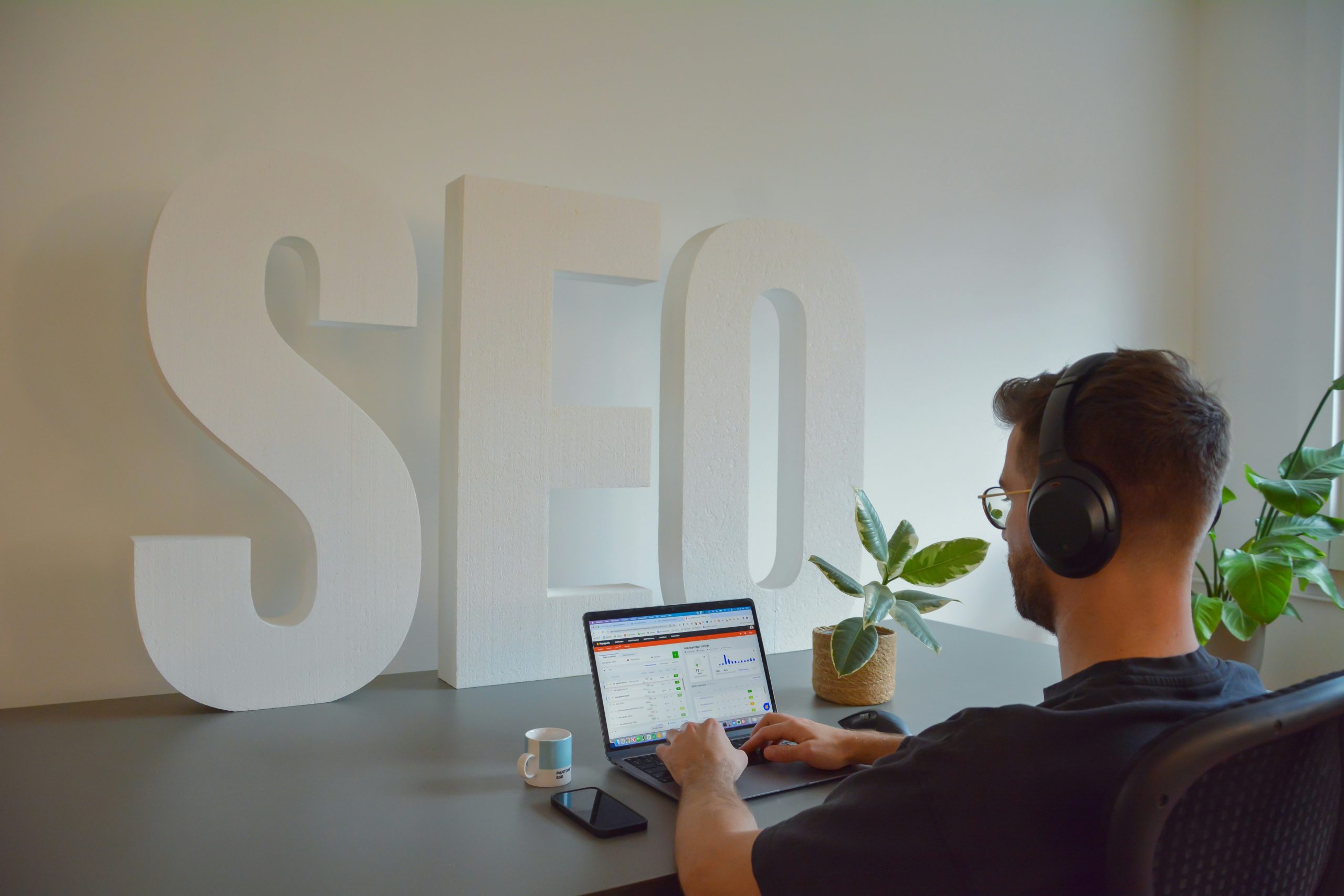
SEO stands for Search Engine Optimization. Simply put, SEO helps search engines such as Google better understand your website and determine which searches it is relevant for.
When someone searches for what you offer, we want your business to have a better chance of being found.
SEO helps your website appear when potential customers search for the products or services you offer. We optimize your website to improve visibility, attract relevant traffic and build long-term growth.
Why is SEO important?
For example, if you run an accounting firm in Zagreb, a potential client might search Google for: “accounting firm Zagreb”, If your website is well optimized and relevant to that search, it may appear among the organic search results.
Our digital marketing approach is a data-driven strategy that combines targeted outreach with creative content. We focus on reaching the right audience through precision techniques like SEO, PPC, and social media advertising, supported by engaging content marketing and email campaigns.

By CROMMAG digital marketing process begins with discovery and research to understand your goals. We then develop a tailored strategy and implement campaigns across various channels. Continuous monitoring and optimization ensure effectiveness, followed by regular reporting to track performance. Finally, we refine and scale efforts for sustained growth and success.
01
We audit your website, rankings, content and technical setup.


02
We implement the most important SEO improvements based on the audit.
03
We implement the most important SEO improvements based on the audit.

SEO is not just about adding a few keywords to a website. Good SEO optimization looks at a website from several different perspectives.
The main goals of SEO are:
Yes. Having a website does not automatically mean people will find it on Google. SEO helps search engines understand your website and helps potential customers discover your business when they search for what you offer.
SEO can make sense if:
There is no fixed timeline for SEO. Every website, industry and market is different.
The time needed to see meaningful results depends on the size and structure of your website, the niche you operate in, the level of competition and the current state of your online presence.
We also look at the market, your competitors and visitor behavior, while keeping up with ongoing Google updates and changes in search results. Some factors are therefore outside of our direct control and cannot be predicted with complete accuracy.
For this reason, we generally recommend a minimum of three months after implementing an SEO strategy. This gives search engines enough time to crawl, process and evaluate changes, while giving us enough data to understand what is working and where further improvements are needed.
Think of SEO like planting a seed. You can prepare the soil, plant the seed and give it everything it needs to grow, but you cannot control the weather, the conditions of the soil or exactly how quickly it will grow.
SEO works in much the same way. We can build and implement the right strategy, but the final results also depend on the market, competition, users and how search engines respond to the changes.
Good SEO takes time, consistency and continuous improvement.
Keyword research helps us understand what potential clients are searching for and how they search for it. Based on this analysis, relevant keywords are strategically incorporated into your website, including page titles, headings, texts, and internal links. So both Google and your visitors can better understand what your website offers.
Yes, "but". One month can be useful for setting the right foundations, identifying issues and making the necessary improvements. It can work well as a one-time SEO audit and optimization, where we analyze your website, identify what needs to be improved and implement the most important changes.
"But", if the goal is continuous growth and progress, SEO needs to be monitored over time. This means regularly tracking metrics, rankings, organic traffic, visitor behavior, competitors and market changes, as well as adapting to Google's ongoing updates.
Continuous monitoring also helps us identify potential technical issues, errors or drops in performance early, before they can have a bigger impact on your visibility, traffic or user experience.
In other words, a one-time optimization can set the foundation and fix what needs fixing, while continuous SEO helps you measure, adapt, prevent potential problems and build on those improvements over time.
SEO audit, a detailed analysis of a website and its SEO elements. It can include a review of:
technical issues
content
keywords
website structure
competitors
opportunities for improvement
After the audit, you get a clearer picture of what needs to be improved and in what order.
If you want to work continuously on SEO, ongoing cooperation can include:
further optimization
new SEO content
technical improvements
internal linking
performance monitoring
identifying new opportunities
Indexing is the process through which Google crawls and stores information about web pages so that it can display them in search results. If Google cannot properly access or understand a page, it may have difficulty appearing in search results.
Some improvements can happen relatively quickly, while meaningful changes in rankings and organic traffic can take longer. Results depend on your starting point, competition, website, market and Google's ongoing changes. SEO is a process rather than an instant result.
These are results that appear in Google without paying Google for every click. This is one of the main differences between SEO and paid advertising.
On-page SEO refers to elements that are directly on your website.
This can include:
titles
text
headings
meta titles
meta descriptions
URLs
images
internal links
content structure
Technical SEO refers to the technical side of a website and how search engines can crawl and understand it.
It can include:
indexing
technical errors
website structure
mobile responsiveness
page speed
XML sitemap
canonical tags
structured data
Yes. Why? Because they serve different purposes. Google Ads can bring paid traffic while your ads are running, while SEO focuses on building organic visibility over time. Using both can help you reach potential customers in different ways.
But getting visitors to your website is only part of the process. What happens after they arrive matters just as much.
Whether someone comes through Google Ads, Meta Ads, social media or an organic search, they need to find useful, relevant and satisfying content that answers their questions and helps them understand your offer. If they click on an ad but land on a confusing, outdated or unhelpful page, they are likely to leave and remain a visitor instead of becoming a customer.
That is why strong digital advertising needs a strong foundation behind it.
SEO, content and a well-structured website help you not only attract visitors, but also keep them engaged and guide them towards taking action.
In other words, Ads can bring people to your website, but your website needs to give them a reason to stay.
Yes. SEO can be valuable for businesses of all sizes. For smaller and local businesses, good SEO can help you compete for relevant searches and reach people who are actively looking for your products or services.
For local businesses, it is especially important to provide potential customers with clear, useful and complete information. This can be even more important in smaller towns and local communities, where customers often want to know exactly what you offer, where you are located, when you are open, how to contact you and what they can expect before making a decision.
A strong local online presence helps customers find you, understand your offer and feel confident choosing your business.

A digital marketing agency combining SEO and digital services to make businesses more visible and successful online. We listen, understand, and build the right strategy for each business.
INFO
CROMMAG j.d.o.o.
OIB 85712181578
VAT ID HR85712181578
© 2026 COMMAG · All rights reserved
